Metals
Metal is a solid material which is typically hard, shiny, malleable, fusible, and ductile, with good electrical and thermal conductivity (e.g. iron, gold, silver, and aluminium, and alloys such as steel).
Ferrous:
- Steel: Plain carbon steel are ferrous metals that consists of iron and carbon. Carbon is the
hardening element. Tougher alloy steel contains other elements such aschromium, nickel, and molybdenum.
objects done with this metal: streel beams, parts of cars, parts of bikes, cutlery set,..

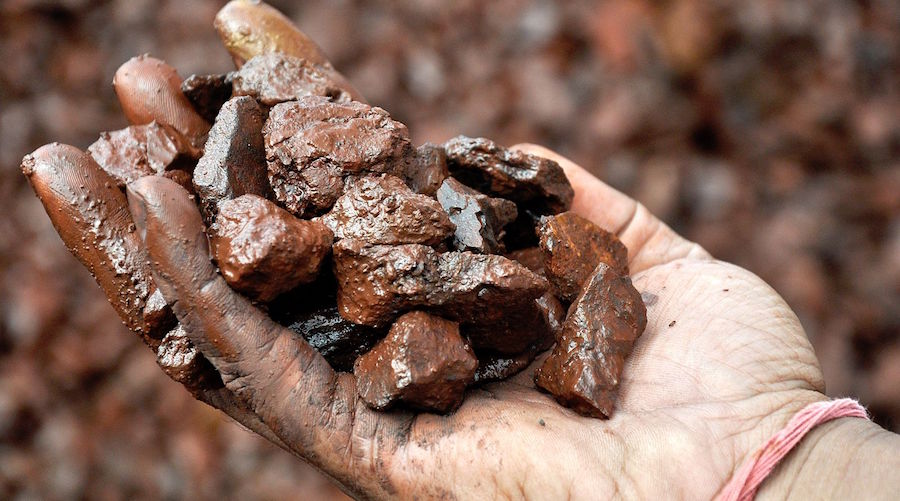
 - Iron ore: Iron ore is smelted with coke and limestone in a blast furnace to remove
the oxygen (the process of reduction) and earth foreign matter from it.
- Iron ore: Iron ore is smelted with coke and limestone in a blast furnace to remove
the oxygen (the process of reduction) and earth foreign matter from it.
- Cast iron: Cast iron is produced by melting a charge of pig iron, limestone, and
coke in a cupola furnace.It is a brittle and hard metal with above average levels of wear resistance. It is widely used in machine tools and automotive parts such as engines.
objects done with this metal: weappons from the middle age, paper clips, parts of automobiles, and beams in skyscrapers.
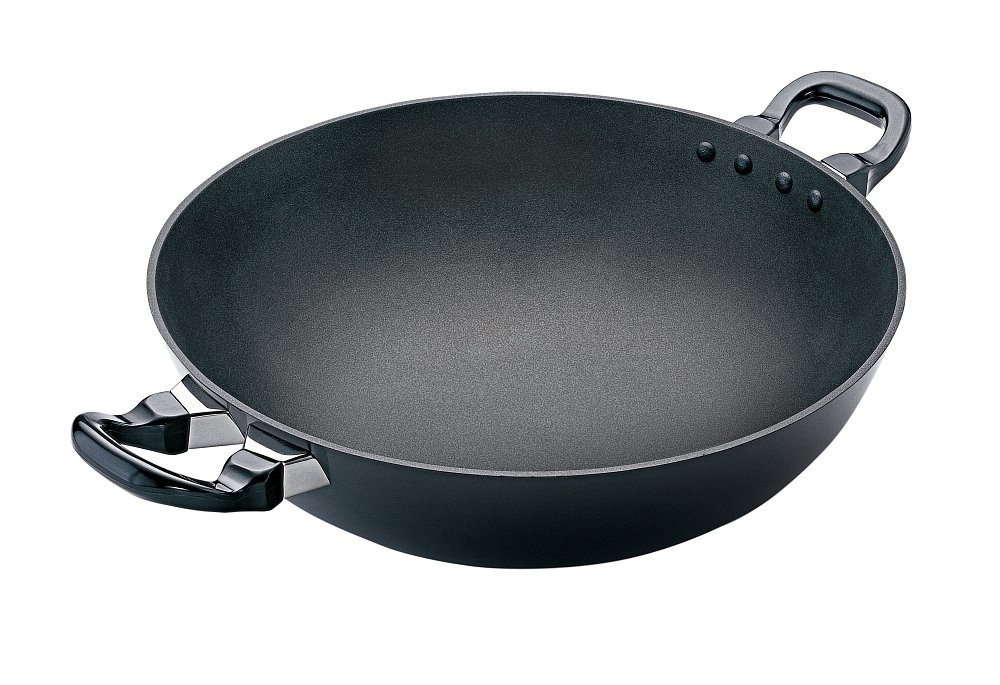
- Cast iron: Cast iron is produced by melting a charge of pig iron, limestone, and
objects done with this metal: horseshoe, pan, some bench that we can see in parks, teapots,...

 Non-ferrous:
- Aluminium: It is a silvery-white, ductile metallic element, the most abundant in the earth's crust but found only in combination, chiefly in bauxite. Having good conductive and thermal properties, it is used to form many hard, light, corrosion-resistant alloys.
objects done with this metal: Beverage Containers ( Cans and Bottles), Aluminium Foil, Food Trays, Tubes and Cartridges, Bottle Closures...


-Copper: Copper is an excellent electrical conductor. Most of its uses are based on this property or the fact that it is also a good thermal conductor.
objects done with this metal: doorknobs, constructions, electronic product manufacturing, and the production of industrial machinery and transportation vehicles. Copper is an essential component in the motors, wiring, radiators, connectors, brakes, and bearings used in cars and trucks.

-Nickel: It is a silver-white metal and mainly occurs in the arsenic and sulfide ores. It is hard, malleable, ductile and to an extent ferromagnetic (up to 360 °C). It has a fair electrical conductivity and heat conductivity. It belongs to the iron-cobalt group of metals.
objects done with this metal: vanity faucets, garden fountains, stainless steel serving trays, knick-knacks and Christmas decorations.
:max_bytes(150000):strip_icc()/US0005-Jefferson-Nickel-2014-Unc-56c67fe25f9b5879cc3e86ec.jpg)
-Tin: Tin is a soft, silvery-white metal that is very light and easy to melt.
objects done with this metal: Some cans, bottles,...

- Zinc: Zinc is a lustrous bluish-white metal. It is brittle and crystalline at ordinary temperatures, but it becomes ductile and malleable when heated between 110°C and 150°C. It is a fairly reactive metal that will combine with oxygen and other non-metals, and will react with dilute acids to release hydrogen.
objects done with this metal: automobile parts, roofing, gutters, batteries, organ pipes, electrical fuses, type metal, household utensils, and building materials.

Ferrous alloys:
Carbon steel: Carbon steels are ferrous alloys that contain carbon and small levels of other alloying elements, such as manganese or aluminum.
Non-Ferrous alloys:
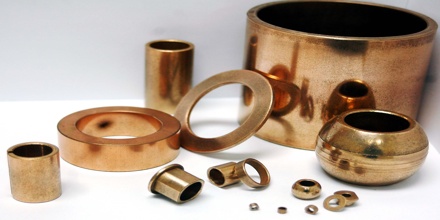
Bronze: Bronze alloy traditionally composed of copper and tin.
Non-ferrous:- Aluminium: It is a silvery-white, ductile metallic element, the most abundant in the earth's crust but found only in combination, chiefly in bauxite. Having good conductive and thermal properties, it is used to form many hard, light, corrosion-resistant alloys.
objects done with this metal: Beverage Containers ( Cans and Bottles), Aluminium Foil, Food Trays, Tubes and Cartridges, Bottle Closures...
-Copper: Copper is an excellent electrical conductor. Most of its uses are based on this property or the fact that it is also a good thermal conductor.
objects done with this metal: doorknobs, constructions, electronic product manufacturing, and the production of industrial machinery and transportation vehicles. Copper is an essential component in the motors, wiring, radiators, connectors, brakes, and bearings used in cars and trucks.
-Nickel: It is a silver-white metal and mainly occurs in the arsenic and sulfide ores. It is hard, malleable, ductile and to an extent ferromagnetic (up to 360 °C). It has a fair electrical conductivity and heat conductivity. It belongs to the iron-cobalt group of metals.
objects done with this metal: vanity faucets, garden fountains, stainless steel serving trays, knick-knacks and Christmas decorations.
-Tin: Tin is a soft, silvery-white metal that is very light and easy to melt.
objects done with this metal: Some cans, bottles,...
- Zinc: Zinc is a lustrous bluish-white metal. It is brittle and crystalline at ordinary temperatures, but it becomes ductile and malleable when heated between 110°C and 150°C. It is a fairly reactive metal that will combine with oxygen and other non-metals, and will react with dilute acids to release hydrogen.
objects done with this metal: automobile parts, roofing, gutters, batteries, organ pipes, electrical fuses, type metal, household utensils, and building materials.
Ferrous alloys:
Carbon steel: Carbon steels are ferrous alloys that contain carbon and small levels of other alloying elements, such as manganese or aluminum.
Non-Ferrous alloys:
Bronze: Bronze alloy traditionally composed of copper and tin.
Alpha Titanium Alloys: Commercially pure titanium and alpha alloys of titanium are non-heat treatable and are genarally very weldable .


No hay comentarios:
Publicar un comentario